
Create a Wallet
Create or import in a trusted device environment and understand the difference between a new wallet, an import and a recovery workflow.
View guide →Move from multi-chain assets, network selection and transfers into DApp connections, signatures, approvals and wallet security with a workflow built around verification. The knowledge center also covers public chains, EVM networks, Layer 2, gas, Ethereum PoS and validators.
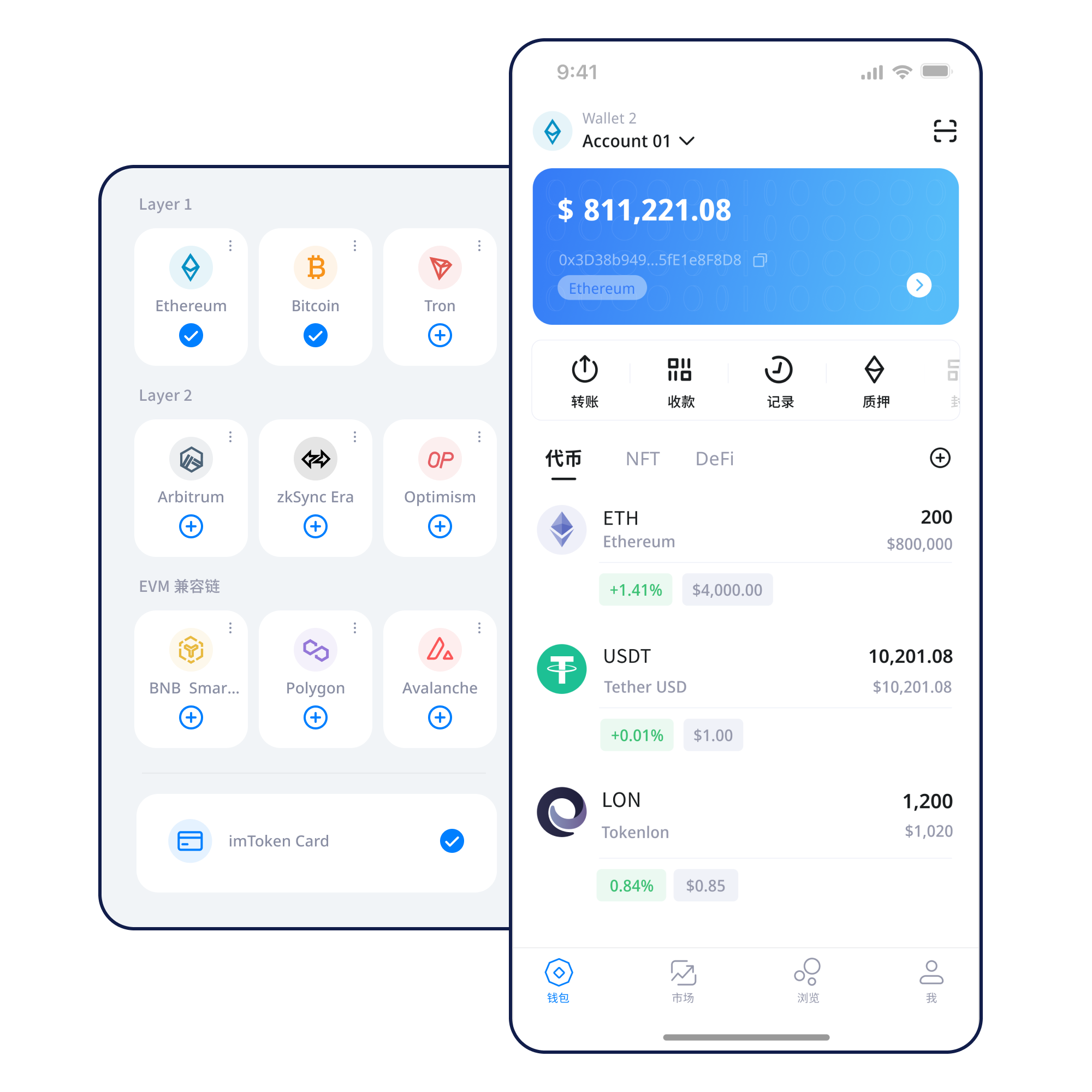
Creating, backing up, receiving, sending and connecting to a DApp require different checks. Identify the task first, then review the network, address, request and permissions that belong to it.
Create or import in a trusted device environment and understand the difference between a new wallet, an import and a recovery workflow.
View guide →Keep recovery material offline and avoid screenshots, public cloud storage and sending it through chats.
Backup security →Confirm the network and asset with the sender before sharing the receiving address.
Receiving checks →Review the recipient, network, asset, amount and gas before signing, then keep the transaction hash.
Transaction checks →Verify the domain first, then review connections, signatures, transactions and token approvals separately.
Connection guide →Different tasks need different information hierarchies rather than one repeated interaction pattern.
View assets across several networks while keeping network, address and transaction state distinct.
Understand multi-chain networks →
Review assets, manage networks, read transaction history and initiate on-chain actions from mobile.
Explore the app →Use a repeatable sequence for addresses, networks, amounts, gas and transaction hashes.
Transfers →Understand browser connections, account visibility, signatures and approvals as separate actions.
Web connections →Keep recovery material offline and review every signature, transfer and approval independently.
Security center →
Each network topic remains directly readable, while the tabs provide a focused way to move between subjects.
One wallet can present several networks while balances, transactions, fees and contract state remain independent. Confirm the active network before acting on an asset.
Multi-chain guide →
Nodes propagate transactions, blocks record state and consensus produces confirmations. Explorers verify public records but do not replace network and address checks.
Public-chain basics →
EVM networks share concepts such as addresses, gas and contracts while chain state and deployments remain separate. Similar address formats do not prove that the network is correct.
EVM networks →
Layer 2 systems extend the base layer. Moving assets across layers can involve bridges, waiting periods and several confirmation stages.
Layer 2 basics →Gas reflects execution cost while transaction hashes and block confirmations help distinguish submitted, included, failed and confirmed states.
Gas & confirmations →Use the single download entry and verify the source before continuing.
Handle recovery material only in a trusted environment.
Keep the seed phrase offline and never disclose private keys or verification codes.
Confirm the network, asset and native fee asset rather than relying on address format alone.
Review the address, amount, network and gas, then read the full signing prompt again.
Keep the transaction hash, verify confirmation status and review DApp approvals that are no longer needed.
Connecting a wallet does not mean every later signature or approval should be accepted. Treat each request as a separate decision.
Open the Web3 guide →Your seed phrase and private keys remain under your control, and imtoken will never ask for your seed phrase, private key or verification code. Keep recovery material offline and avoid screenshots, public cloud storage, chat forwarding and remote-control tools. Before transfers, review the address, network, asset and amount. In DApps, treat message signatures, transaction signatures and token approvals as separate requests. On-chain transactions generally cannot be reversed by a wallet alone, and third-party DApps and smart contracts can involve risk.
Open the security center →Learn addresses, seed phrases, private keys, networks, gas, transaction hashes, DApps and approvals in the context of real wallet actions.
Read the beginner guide →Understand nodes, blocks, consensus and confirmation state.
Understand gas, contract calls and token approvals.
Understand base-layer relationships, bridges, waiting and arrival confirmation.
Understand spenders, allowances and revocation.
Recovery material, phishing, devices and transaction checks.
Understand key terms through practical scenarios.
Learn about Ethereum PoS, validator duties, reward sources, network conditions, withdrawals and exits. Staking does not guarantee returns and rewards can change.
Ethereum Staking →Exits can involve waiting periods, validators can face protocol penalties, smart contracts can have technical risk and asset prices can fluctuate.
PoS & Validators →Similar address formats do not replace destination-network verification.
Verify the public record on the explorer for the matching network.
Permissions that are no longer needed should be considered for revocation.
Rewards, waiting periods and validator conditions can all change.
No. imtoken will not ask you to send a seed phrase, private key or verification code.
Match the sender, recipient, asset and DApp network rather than relying on address format alone.
Check the recipient, network, asset, amount and gas, then read the signing request again.
It identifies the public transaction record on the relevant network and helps verify status.
No. Connections, signatures, transactions and approvals are separate actions.
No. Rewards can change and staking also involves validator, network, contract and market risks.