
On this page
Capabilities and practical boundariesHow everyday tasks fit togetherHow to verify important state and detailsSecurity principles for every actionContinue from product use into deeper guidanceCapabilities and practical boundaries
Verification focus
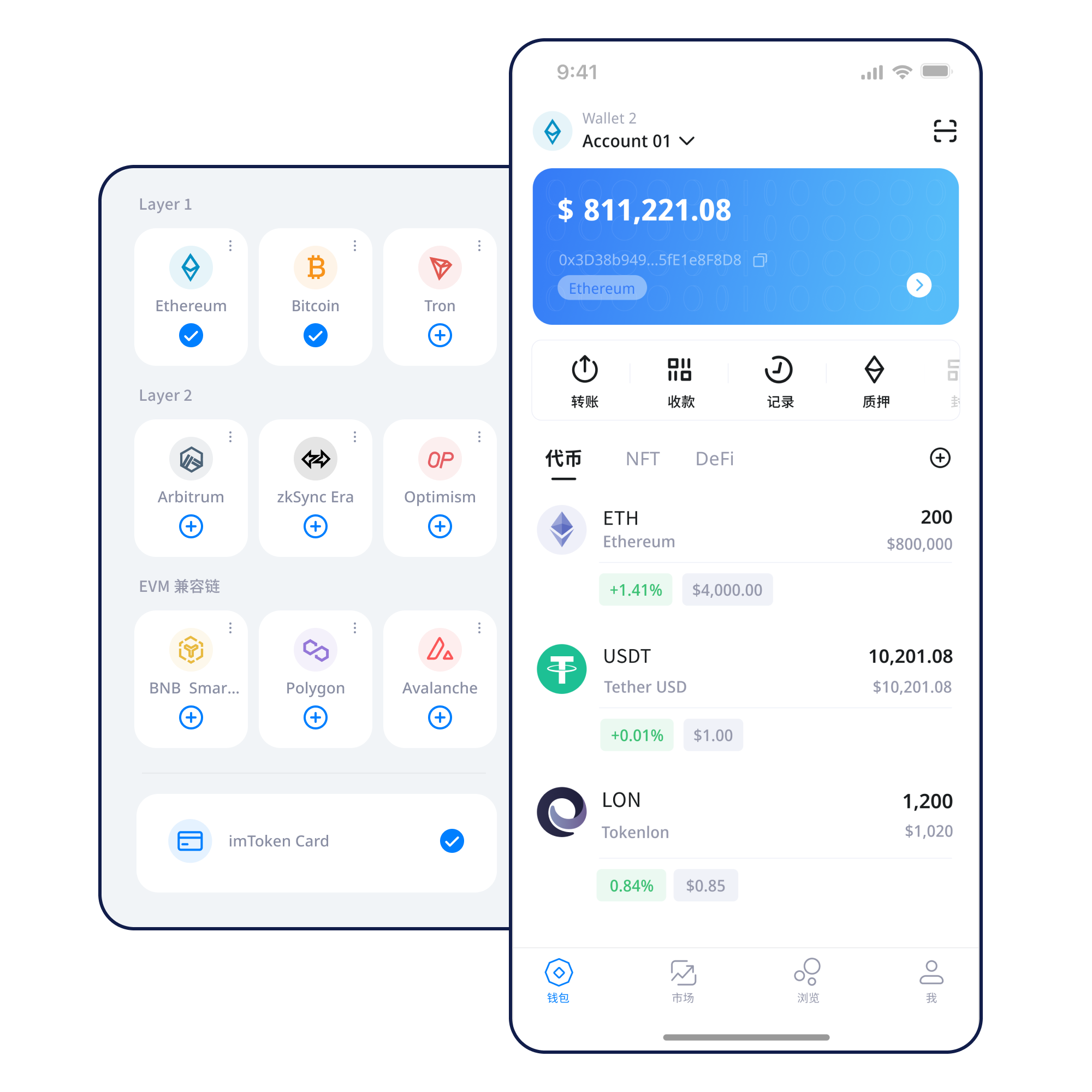
When working with imtoken App, start by keeping mobile asset viewing, network management, and copying and verifying addresses in the same context. Explain how the mobile wallet supports daily transfers, network changes, asset review and DApp use, including the checks that still require user judgment. A familiar label or icon is not enough on its own; the active network, account, address, contract or transaction record should agree with the action you intend to take. For consequential actions, understanding exactly what is being requested matters more than moving quickly through a confirmation screen.
A practical imtoken App workflow can follow a consistent sequence: confirm the source and destination, review copying and verifying addresses, then verify transaction history in the correct network context, and finally inspect DApp connection entry points together with the possible on-chain consequence. Only after that review should you sign or submit. Keep non-secret evidence such as a transaction hash or contract address so the result can be checked later.
The central risk around imtoken App is that Remote-control software, clipboard manipulation or risky device permissions can compromise on-chain actions. If an unexpected network switch, unfamiliar contract, excessive approval, changed address or urgency tactic appears, stop before confirming. Seed phrases, private keys and verification codes are never normal troubleshooting material; imtoken staff will not ask for them and they should not be submitted through websites, chats or remote-control tools.
How everyday tasks fit together
Key observations during the workflow
For “How everyday tasks fit together”, network management establishes the starting point, copying and verifying addresses helps explain whether the process is progressing as expected, and transaction history is often the detail that can be cross-checked against wallet history or public on-chain data. If those facts conflict, stop and verify the source again. Transfers, signatures, approvals and cross-layer actions deserve a complete review even when the interface looks familiar.
It also helps to separate interface information from verifiable on-chain facts. transaction history may describe the intent of an action and DApp connection entry points may provide useful status context, but important decisions should still be checked against device permissions and local security and the relevant network record. Wallet labels, token symbols, DApp copy and promotional language can all be imitated, so familiarity is not proof of authenticity.
When working with imtoken App, start by keeping device permissions and local security, mobile asset viewing, and network management in the same context. Explain how the mobile wallet supports daily transfers, network changes, asset review and DApp use, including the checks that still require user judgment. A familiar label or icon is not enough on its own; the active network, account, address, contract or transaction record should agree with the action you intend to take. For consequential actions, understanding exactly what is being requested matters more than moving quickly through a confirmation screen.
How to verify important state and details
Verification focus
A practical imtoken App workflow can follow a consistent sequence: confirm the source and destination, review copying and verifying addresses, then verify transaction history in the correct network context, and finally inspect DApp connection entry points together with the possible on-chain consequence. Only after that review should you sign or submit. Keep non-secret evidence such as a transaction hash or contract address so the result can be checked later.
The central risk around imtoken App is that Remote-control software, clipboard manipulation or risky device permissions can compromise on-chain actions. If an unexpected network switch, unfamiliar contract, excessive approval, changed address or urgency tactic appears, stop before confirming. Seed phrases, private keys and verification codes are never normal troubleshooting material; imtoken staff will not ask for them and they should not be submitted through websites, chats or remote-control tools.
For “How to verify important state and details”, mobile asset viewing establishes the starting point, network management helps explain whether the process is progressing as expected, and copying and verifying addresses is often the detail that can be cross-checked against wallet history or public on-chain data. If those facts conflict, stop and verify the source again. Transfers, signatures, approvals and cross-layer actions deserve a complete review even when the interface looks familiar.
- Review mobile asset viewing in the correct network context.
- Review network management in the correct network context.
- Review copying and verifying addresses in the correct network context.
- Review transaction history in the correct network context.
- Review DApp connection entry points in the correct network context.
Security principles for every action
Do not let urgency replace judgment
It also helps to separate interface information from verifiable on-chain facts. transaction history may describe the intent of an action and DApp connection entry points may provide useful status context, but important decisions should still be checked against device permissions and local security and the relevant network record. Wallet labels, token symbols, DApp copy and promotional language can all be imitated, so familiarity is not proof of authenticity.
When working with imtoken App, start by keeping device permissions and local security, mobile asset viewing, and network management in the same context. Explain how the mobile wallet supports daily transfers, network changes, asset review and DApp use, including the checks that still require user judgment. A familiar label or icon is not enough on its own; the active network, account, address, contract or transaction record should agree with the action you intend to take. For consequential actions, understanding exactly what is being requested matters more than moving quickly through a confirmation screen.
A practical imtoken App workflow can follow a consistent sequence: confirm the source and destination, review network management, then verify copying and verifying addresses in the correct network context, and finally inspect transaction history together with the possible on-chain consequence. Only after that review should you sign or submit. Keep non-secret evidence such as a transaction hash or contract address so the result can be checked later.
Continue from product use into deeper guidance
Verification focus
The central risk around imtoken App is that Remote-control software, clipboard manipulation or risky device permissions can compromise on-chain actions. If an unexpected network switch, unfamiliar contract, excessive approval, changed address or urgency tactic appears, stop before confirming. Seed phrases, private keys and verification codes are never normal troubleshooting material; imtoken staff will not ask for them and they should not be submitted through websites, chats or remote-control tools.
For “Continue from product use into deeper guidance”, mobile asset viewing establishes the starting point, network management helps explain whether the process is progressing as expected, and copying and verifying addresses is often the detail that can be cross-checked against wallet history or public on-chain data. If those facts conflict, stop and verify the source again. Transfers, signatures, approvals and cross-layer actions deserve a complete review even when the interface looks familiar.
It also helps to separate interface information from verifiable on-chain facts. copying and verifying addresses may describe the intent of an action and transaction history may provide useful status context, but important decisions should still be checked against DApp connection entry points and the relevant network record. Wallet labels, token symbols, DApp copy and promotional language can all be imitated, so familiarity is not proof of authenticity.